
Working at Heights Training
Select a course below to see details, competency codes and book your seat. Prefer to talk it through? Call (02) 4960 9611.
Work Safely at Heights1 day+
For workers required to operate at height or depth, including performing a height rescue.
See course information and book trainingRefresher — Work Safely at Heights½ day+
Refresher for workers who have already completed their initial working-at-heights training and need to revalidate.
See course information and book training
Enquire about Working at Heights Training
Tell us the dates, numbers and location — we'll confirm availability and pricing within one business day.
Working at Heights Training FAQs
What is considered working at heights in Australia?+
Working at heights means working in any place where a person could fall a distance liable to cause injury. This is generally defined as two metres or more, but WHS laws require fall protection for any height where a risk of injury exists.
Is working at heights training mandatory in Australia?+
Yes. Under the Model Work Health and Safety Regulations, workers must be trained and deemed competent before undertaking any task involving a fall risk. Employers are legally required to provide this training.
What does working at heights training cover?+
Risk assessment and hazard identification, safe work procedures for working at height, fall arrest and restraint systems, use of harnesses, lanyards, anchor points and ladders, and emergency procedures and rescue planning.
What qualification do you need to work at heights?+
The standard nationally recognised unit of competency is RIIWHS204E — Work safely at heights. This certification is often required on construction sites and in mining, utilities and maintenance work.
How long is working at heights training valid in Australia?+
The Statement of Attainment does not technically expire, but most industries recommend refresher training every 2 years to ensure continued competence and legal compliance.
How long does working at heights training take?+
Most working at heights training courses take 1 full day to complete, including both theoretical and hands-on practical assessments.
How much does working at heights training cost in Australia?+
Prices generally range from $200 to $350, depending on the training provider, location, and whether group or on-site training is included.
Why choose Zokal for working at heights training?+
Zokal offers industry-leading working at heights training with state-of-the-art simulation towers, cutting-edge fall protection systems, and purpose-built training environments. Every session is hands-on and designed to reflect real-world high-risk work conditions. Delivered at our Sandgate, NSW facility or on-site at your workplace.
Working at Heights Training
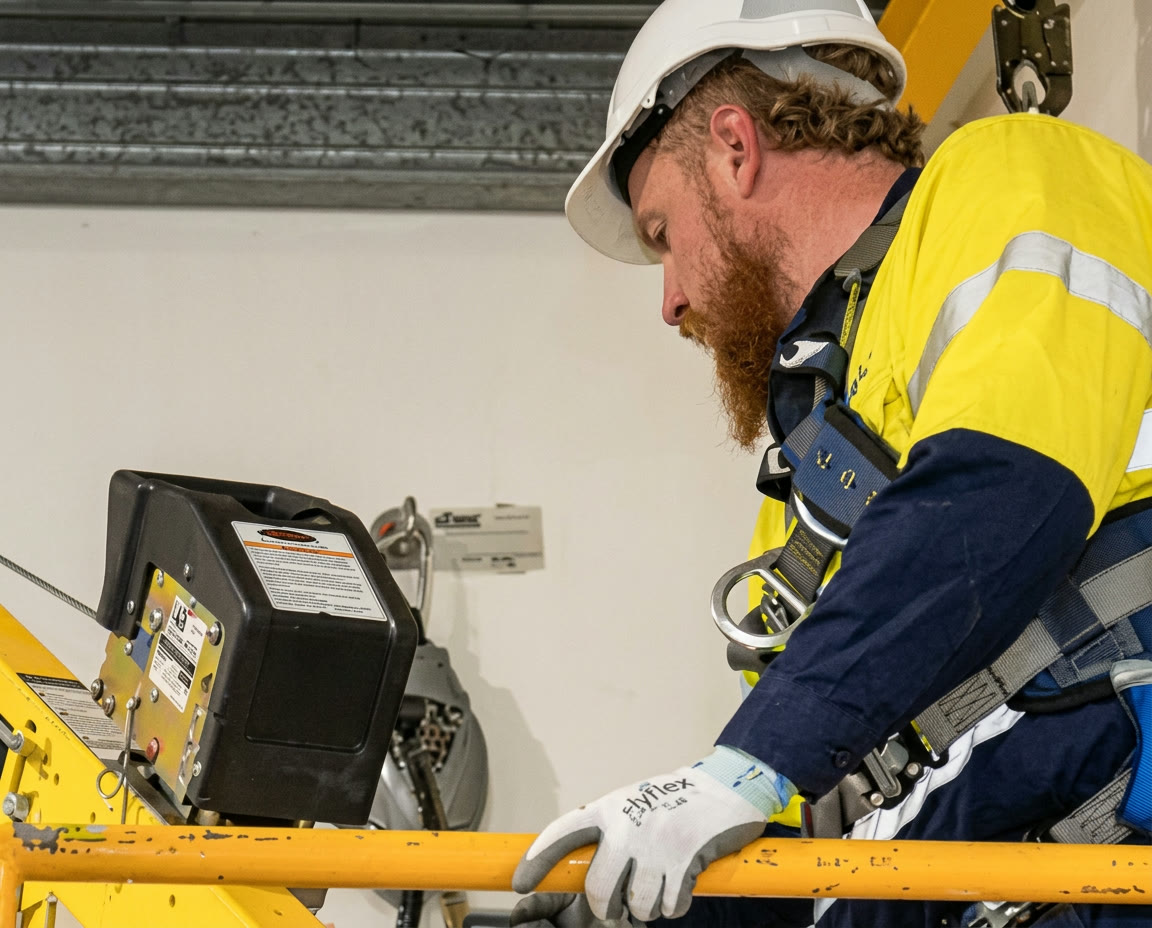
Confident, compliant work at height using industrial fall-protection systems.
Nationally recognised
Statement of Attainment issued under RTO 91267.
Regular public dates
Live calendar with instant online booking.
Sandgate NSW or on-site
Purpose-built facility or delivered at your workplace.
Small practical groups
Hands-on training with experienced industry trainers.
Gravity doesn't negotiate.
Falls remain the #1 killer on Australian construction sites. Working at Heights training is the cheapest life-insurance policy you'll ever buy.
It's the 3rd time that kills you
Fatal falls almost never happen on day one — they happen when workers stop respecting the edge.
Harness ≠ safety
A harness worn wrong is worse than none at all. We drill anchor, connection, and rescue.
The prosecution problem
Missing height-safety training is the fastest way to a personal WHS charge, not just corporate.
What actually goes wrong on Australian sites
Regulators, insurers and Tier-1 clients don't accept excuses. Here's what happens when training gets cut.
Workers doing high-risk tasks without current, verifiable training.
What happens: First incident triggers a WHS investigation. Site is shut, insurers get involved, contracts freeze.
Median AU WHS fine: $260,000 per breach. Median downtime: 11 days.
Out-of-date tickets or 'she'll be right' toolbox talks instead of assessed competency.
What happens: Regulators treat expired training the same as no training. Insurers deny claims.
Uninsured incident average: $180,000+ borne by the business.
Tenders lost because your team can't prove nationally recognised competency.
What happens: Tier-1 contractors now filter suppliers on ASQA-audited certification only.
Missed contract value: often $250k – $2M per year for mid-sized crews.
The most trusted safety RTO in the Hunter — and one of the biggest in NSW.
Australian workplaces don't send their crews to a random training provider. They send them somewhere they know the certificate will hold up in an audit, an insurance claim, and a WHS prosecution.
- 1Registered Training Organisation 91267 — ASQA-audited
- 220+ years training high-risk industries across Australia
- 3Trainers with 15+ years site experience (mining, oil & gas, utilities)
- 4Purpose-built training facility in Sandgate NSW + national on-site delivery
- 5Government-recognised Statement of Attainment issued the same day
Six reasons crews pick Zokal over the cheap option
Walk out certified
Same-day nationally recognised Statement of Attainment on successful completion.
Employer-ready evidence
Digital & printed certificates plus USI records — accepted by every major AU contractor.
Real practical time
Small groups so every learner runs the drills, not just watches them.
Industry-active trainers
Taught by people who still do the work — no career classroom instructors.
Refresh reminders
We track your expiry and remind you before your ticket lapses.
Full refund if we cancel
If we ever cancel a public course, you get first pick of the next date or a full refund.
Nationally recognised outcomes
- Select and inspect fall-arrest equipment
- Correctly fit a full-body harness
- Apply the hierarchy of controls for height work
- Respond to a suspended-worker rescue scenario
What one avoided incident is worth to your business
Slide the numbers to match your crew. See the compliance risk you carry every day training gets deferred.
Estimates based on SafeWork AU average incident cost and typical downtime for high-risk work. Directional only.
of avoided incident, downtime and compliance cost from properly training your crew in Working at Heights Training.
- Incident cost avoided$18,500
- Downtime avoided$3,520
- Compliance fine avoided$15,000
Your Career, Rewritten
From where you are today to a 6-figure ticket
Every course is a step. Here's the real progression path our graduates walk — and what each rung typically pays in the Australian market.
Today
General Labourer
Add ticket
Working at Heights
Work in
Construction
Stage 1 salary
$82k
Add ticket
Scaffolding L1
Work in
Commercial Build
Stage 2 salary
$105k
Add ticket
Rope Access L1
Work in
Facades & Wind
Stage 3 salary
$135k
Add ticket
Rigging Advanced
Work in
Renewables & Oil/Gas
Stage 4 salary
$170k+
AU market medians — sourced from Seek, Payscale & ABS data. Individual outcomes vary by industry, region and experience.
Interactive course pathway
Don't just take a course. Build a career.
Working at Heights Training connects to the tickets employers stack together. Tap any node to jump straight to that course.
You are here
Working at Heights Training
Where can Working at Heights Training take you?
Answer 5 quick questions and Zee will map the jobs you'll qualify for, average salaries, hiring industries, next recommended courses and a personalised career roadmap.
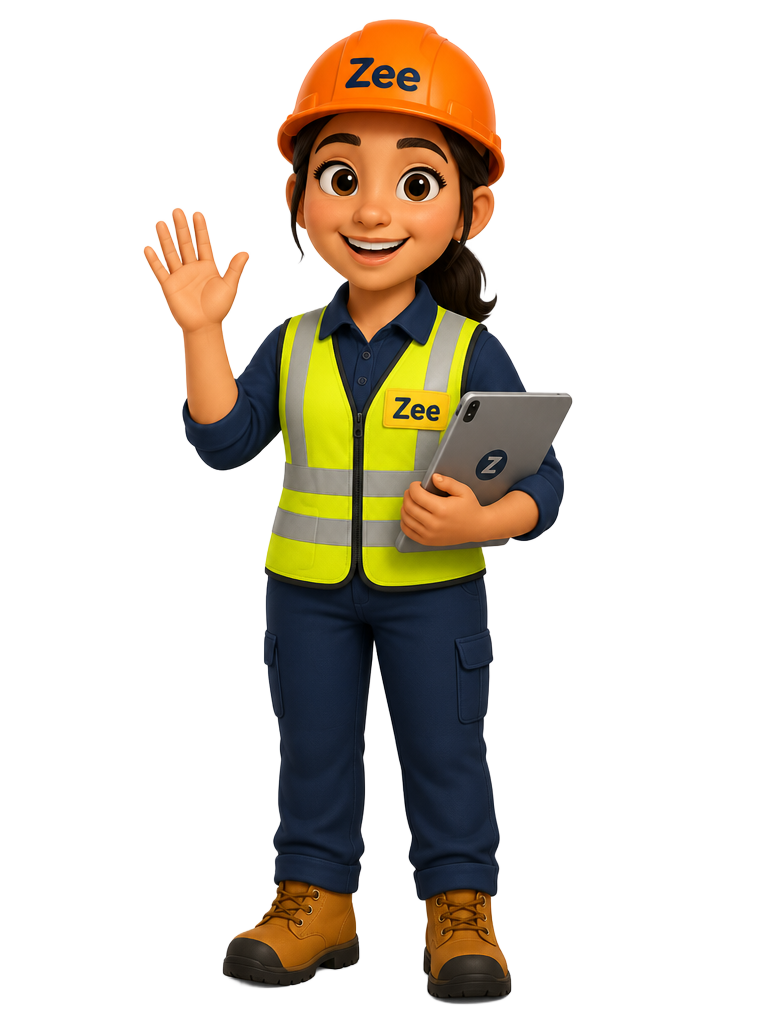
“G'day! I'm Zee, your AI safety career advisor.”
Height-safety tickets open the door to specialist trades that consistently pay above trade average.
You're not buying training. You're buying a better future.
Here's the earning trajectory certified workers follow in Australia, based on current Seek, Payscale and ABS data.
Heights Worker / Rigger's Assistant
Rope Access / Scaffolder L2
Rigging Supervisor / Height Safety Lead
HSE Manager / Access Consultant
Salary ranges are Australia-wide averages and vary by industry, location and additional tickets held.
Industry demand meter
Who's hiring for this ticket right now
Employers frequently request this qualification. Here's where demand runs hottest across Australia.
Construction
95%
Telecommunications
90%
Renewables
87%
Facilities & Maintenance
80%
Oil & Gas
78%
"Working at Heights Training" appears in tens of thousands of live AU job listings every month.
Trusted by Australian industry
The people who've been through it.
Verified Google reviews from workers who've completed Zokal training, including working at heights training.
"Barry was awesome, the training was efficient and I am now much more knowledgeable whilst working at heights."
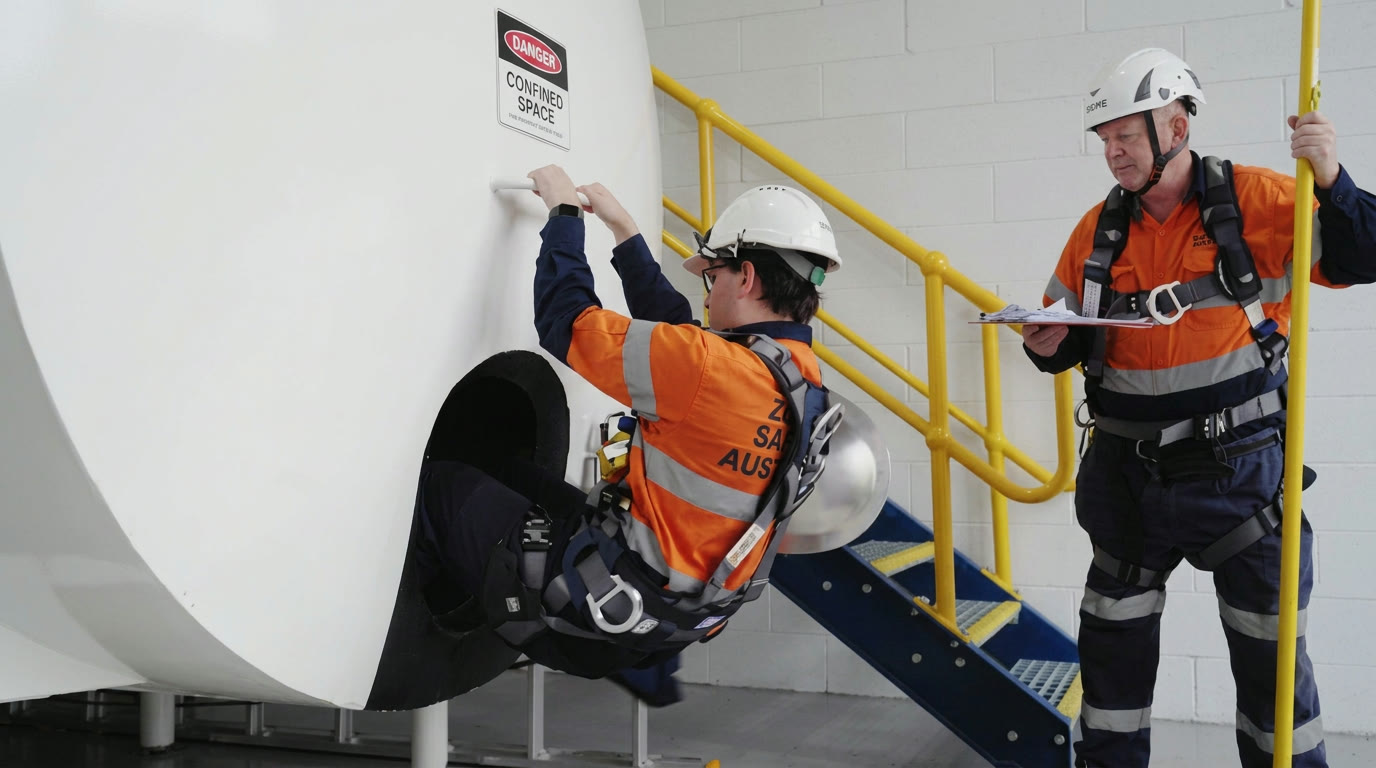
"Very in depth 3 day confined space entry training. Comprehensive simulations and all equipment is in great condition. Feeling confident to enter confined space and perform rescues. Highly recommend!"
"Thorough training, including modules other companies exclude under the "same" training courses. Excellent class ratios with great delivery for all education levels. Clean and well equipped facilities to give experience based training."
"Great experience at LVR/CPR with Tim. Lots of knowledge and experience shared."
"Amazing training experience and very knowledgeable team passionate about safe practices and procedures. Great confidence for future work in the industry."
"Very knowledgeable trainers. Excellent facilities. Great use of practical and quality equipment. Would highly recommend."
What is covered in our working at heights training?
This is nationally recognised training with a Statement of Attainment issued on satisfactory completion of all assessments. Our basic working at heights safety training is for operators who are required to have both practical skills and an understanding of theory needed to work at height on a broad range of structures in different environments and industries.
The course gives learners the necessary theory, practical skills and knowledge to work safely in a range of situations using various types of fall protection equipment. It also covers emergency response and heights rescue using a variety of techniques for varying situations.
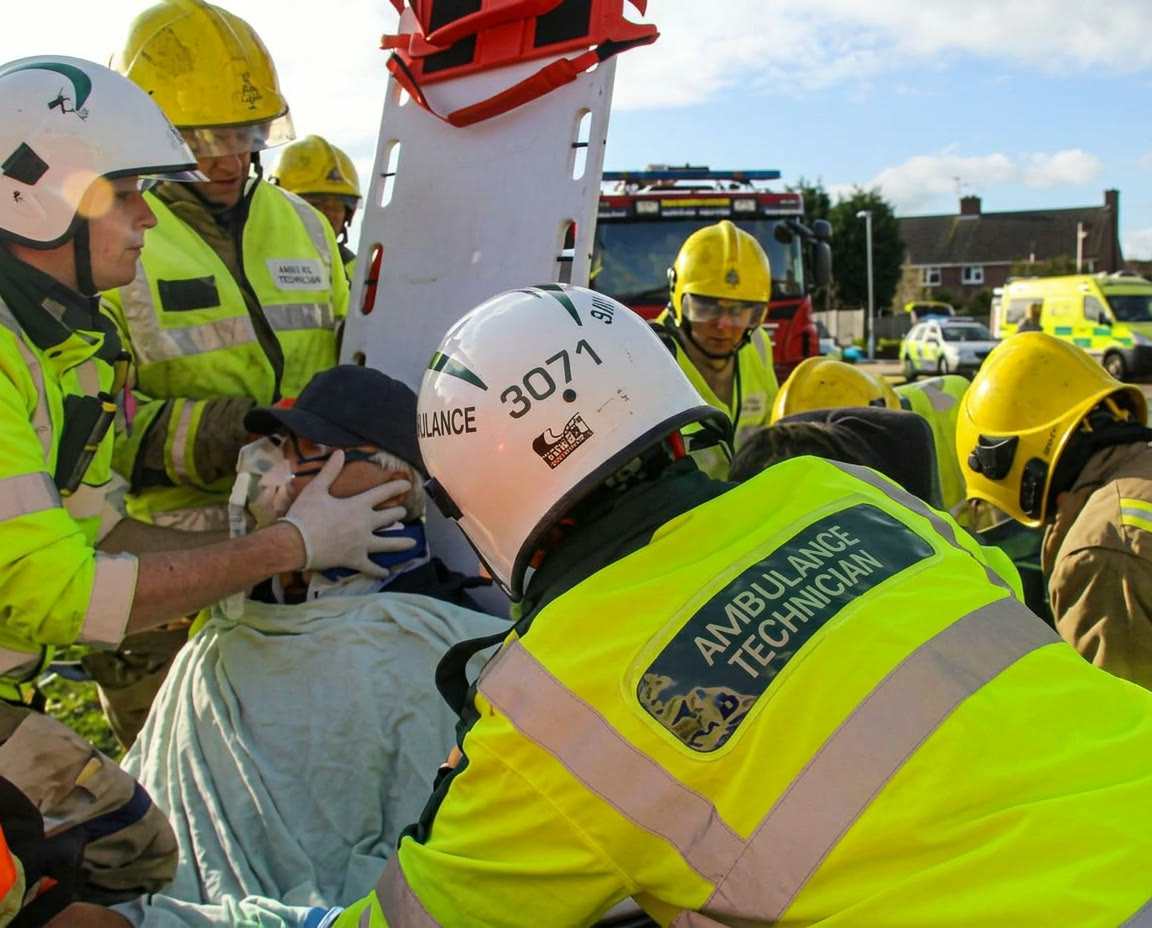
Vertical Rescue training covers preparing and responding to any emergency requiring a vertical rescue — including appropriate assessment and control of risks and the skills and knowledge needed to perform a vertical rescue.
Why working at heights training matters
This training is essential for anybody who has to work at heights as part of their job including people working in construction, manufacturing, industry, mining, shipping, defence, rural and government sectors — any workplace where people are required to work from heights.
Working at heights is always a high-risk activity and remains a leading cause of death and serious injury in Australian workplaces. Between 2003 and 2015, 359 Australian workers lost their lives due to falls from height — 11% of all workers killed during that period. Half of those deaths were falls of 3 metres or less, and 54 people fell from ladders.
Working at heights training is required by law. It saves lives and minimises the chance of litigation.
Related training and answers
Crews often pair these tickets. The answers below cover the questions that come up most before booking.
Stack Elevated Work Platform Training next.
Add EWP and you double your day-rate ceiling — heights + boom operators are the highest-paid trades on any commercial site.
Graduates commonly train these too
Book more than one ticket and we'll build you a schedule that saves travel days and paperwork.
Training the whole team? We come to you.
We deliver Working at Heights Training on-site anywhere in Australia. Tailored to your SWMS, your gear and your risks — with a single invoice and consolidated compliance reporting.
What this training covers
Practical working at heights training for anyone exposed to a fall risk of 2 metres or more.
Hands-on practice with harnesses, lanyards, anchor points, static lines and edge protection on our purpose-built rig — with height-rescue included.
Get your team compliant with Zokal
See upcoming public dates, reserve seats online and receive instant email confirmation. Talk to us if you need a tailored on-site option.